Essential Checklist For Buying A Used High-Performance Car
Purchasing a pre-owned high-performance vehicle is an exhilarating milestone for any automotive enthusiast. The prospect of owning an elite machine featuring sharp handling, rapid acceleration, and precise engineering—without enduring the steep initial depreciation hit faced by the original buyer—is undeniably attractive. However, stepping into the secondary market for sports cars, track-focused specials, and high-horsepower sedans is a psychological tightrope walk. It requires balancing the emotional rush of a test drive with strict, uncompromising logic.
Unlike standard commuter vehicles engineered with wide tolerances for neglect, a high-performance machine operates at the absolute edge of its mechanical limits. The engines run higher compression ratios, the suspensions utilize stiffer bushings with aggressive geometry, and the cooling systems manage massive thermal loads. Consequently, these vehicles are highly sensitive to how they are driven and, more importantly, how they are maintained. A single deferred fluid change or a cheap alternative part can trigger a catastrophic mechanical domino effect.
Far too many buyers fall into the trap of purchasing a premium performance car at a “bargain” entry price, only to discover that the cost of bringing the vehicle back to baseline health exceeds the purchase price of the car itself. To avoid inheriting someone else’s mechanical nightmare, you must approach the buying process with an objective, structured framework. This in-depth guide provides a technical checklist designed to help you separate pristine, enthusiast-owned examples from abused, poorly maintained money pits.
Exterior Assessment: Inspecting the Bodywork and Aerodynamics
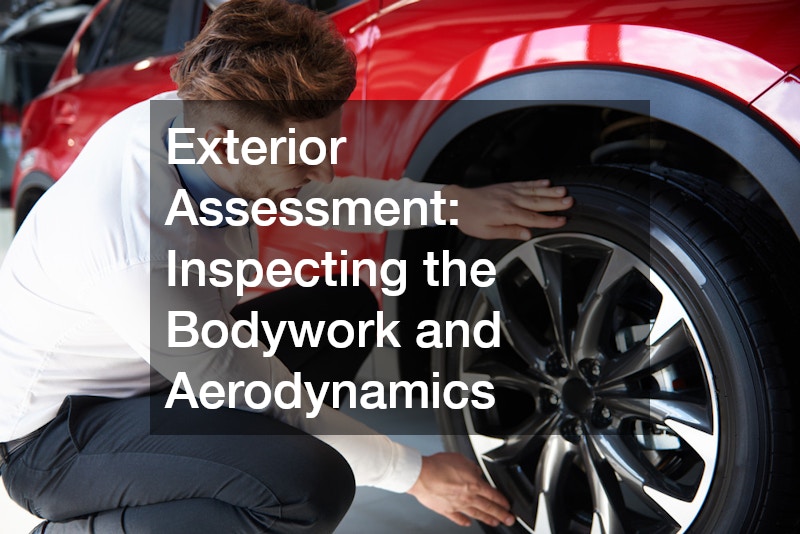
The exterior of a high-performance vehicle tells a vivid story about its operational history, indicating whether it spent its life cruising pristine highways, navigating cramped parking structures, or enduring intense track days.
Looking Past the Gloss to Identify Structural and Cosmetic Wear
When evaluating the bodywork, your primary goal is to identify signs of past accidents or hard track use that the seller might be attempting to conceal. High-speed track driving leaves distinctive signatures that differ significantly from normal road wear:
-
Front-End Sandblasting: Examine the nose, front bumper, and forward-facing surfaces of the side mirrors. A dense concentration of micro-pitting or heavy rock chipping suggests the vehicle has spent significant time drafting other cars at high speeds on a race track.
-
Rocker Panel Abrasion: Look closely at the lower rocker panels directly behind the front wheels. Track-driven cars frequently kick up hot, sticky rubber debris and gravel, which physically ablates the factory finish in these specific areas.
-
Asymmetrical Panel Gaps: Measure the gaps between the hood, fenders, doors, and trunk lid. Factory performance cars are built with highly precise tolerances. Variations in gap width from the left side to the right side almost always point to prior body panels being removed, replaced, or misaligned due to a structural impact.
Evaluating Premium Exterior Coverages and Modifications
A highly discerning enthusiast who understands the value of their investment will often take proactive measures to protect the exterior surfaces. Look closely along the edges of the hood, front fenders, and mirror caps to check for the presence of a cleanly installed paint protection film. If the film is present, check the edges for lifting, dirt accumulation, or yellowing. A high-quality film installation indicates that the previous owner was willing to spend significant capital upfront to preserve the factory finish from high-speed debris.
Similarly, check the lower sections of the doors and rear quarter panels for signs of parking lot reconditioning. It is common for sports cars with wide rear hips to suffer from stray shopping cart dings or minor garage scrapes. Ensure that any prior cosmetic blemishes were rectified using high-quality paintless dent repairs that massaged the sheet metal back to its original contours without cracking the underlying factory clear coat or requiring heavy body filler.
Cabin and Glass Analysis: Driver Interface and Controls

The interior of a performance car serves as the primary cockpit where the driver interacts with the machine. The condition of this space provides excellent context regarding how the vehicle was treated and whether the mileage displayed on the odometer reflects reality.
Evaluating Interior Wear as an Indicator of Actual Mileage and Use
High-performance driving requires significant physical movement from the operator, which leaves distinct wear patterns on specific interior contact points. Compare these areas against the vehicle’s mileage:
-
Seat Bolsters: Sports seats feature aggressive side bolsters designed to keep the driver centered during high-G cornering. Heavy scuffing, collapsed foam, or torn leather on the driver’s left bolster often points to frequent entry and exit cycles, or a driver who did not take care when sliding into the cockpit.
-
Steering Wheel and Pedals: A steering wheel that has turned completely smooth or shiny, paired with rubber pedal pads that are worn down to the bare metal on their edges, suggests a vehicle that has been driven hard, regardless of a low odometer reading.
-
Electronic Module Verification: Modern performance cabins are packed with dedicated drive-mode switches that alter suspension dampening, steering weight, and exhaust valving. Sit in the vehicle with the ignition on and cycle through every single mode. You should distinctly hear the physical switching of exhaust actuators and feel the immediate change in idling characteristics.
Inspecting Aftermarket Glass and Window Modifications
Many owners look to enhance the aggressive aesthetic of their vehicle or protect the interior leather from UV degradation by investing in a professional windshield tinting service. While high-quality ceramic tint is an excellent addition, you must verify that the darkness level complies with local regulations and that the film does not warp your forward vision. Furthermore, verify that the tint film does not interfere with the specialized optical cameras mounted near the rearview mirror, which govern automated lane-keeping systems and adaptive cruise control.
If the interior electronics display intermittent warning codes on the instrument cluster during these checks—such as an electronic damper fault or an active aero failure—do not dismiss them as simple sensor glitches. Resolving issues within specialized electronic systems often requires highly complex auto repair procedures that involve proprietary factory diagnostic software and expensive component replacements.
Under-the-Hood and Underside Mechanical Scrutiny
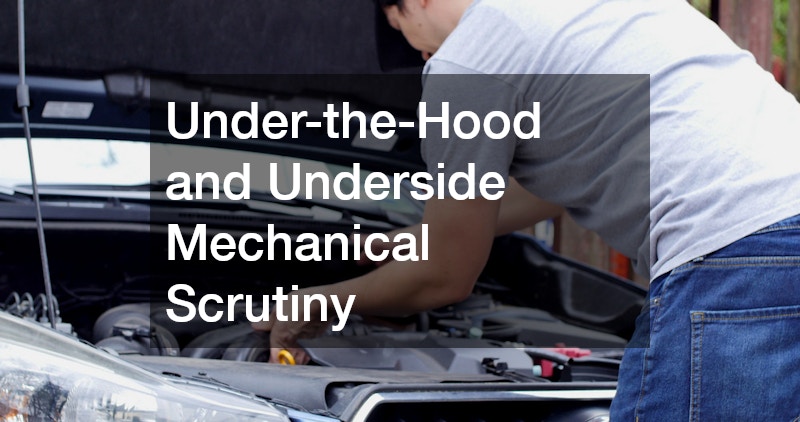
To truly understand the health of a high-performance vehicle, you must look past the superficial aesthetic elements and examine the mechanical core. This requires analyzing the powertrain under thermal stress and inspecting the structural underside.
Spotting Thermal Stress and Fluid Management Faults
Pop the hood immediately after a rigorous test drive while the engine is still at full operating temperature. High-performance engines generate immense under-hood heat, which accelerates the degradation of rubber hoses, plastic coolant expansion tanks, and gaskets.
-
The Sniff Test: Smell the engine bay carefully. The sweet, acrid smell of burning engine oil indicates a leaking valve cover gasket dripping onto the hot exhaust manifolds. A distinct maple syrup scent points to a pressurized coolant leak, often from a hairline crack in a plastic fitting or a radiator end-tank.
-
Turbocharger Component Inspection: If the vehicle is turbocharged or supercharged, inspect the oil feed lines and intercooler boots. Look for any signs of oil misting or weeping, which suggests failing internal turbo seals or excessive blow-by gases passing through the PCV system.
Elevating the Car for a Complete Structural Overview
You cannot perform a legitimate inspection of a sports car while it is sitting on the ground or up on simple drive-on ramps. Because these cars ride low to the pavement, their aerodynamic undertrays, oil pans, suspension control arms, and subframes are highly susceptible to hidden damage.
It is mandatory to take the car to a professional facility that can lift the chassis completely using a secure auto lift. Once the vehicle is elevated, remove the plastic aerodynamic belly pans to inspect the true bottom of the engine and transmission. Look for scraping along the frame rails, which indicates the car has bottomed out violently over track curbing or speed bumps. Check the suspension bushings for tears, inspect the shocks for active fluid leaks, and look for signs of structural weld repairs that signify past chassis straightener interventions.
Before signing any financial paperwork, always arrange a formal pre-purchase vehicle inspection with a marque-specific technician. A specialist who works exclusively on that specific brand will know the exact bolt torques, factory recall histories, and hidden electronic modules to scan, giving you an unbiased assessment of the car’s true health.
Consumables Audit: Tires, Friction Material, and Wheels

High-performance cars consume tires and brakes at an alarming rate compared to standard passenger cars. Evaluating these components helps you estimate the immediate costs you will face directly after taking ownership.
Calculating the Immediate Enthusiast Tax Post-Purchase
Tires are the single most important safety component on a vehicle capable of high speeds. A thorough inspection of the rubber can reveal volumes about the owner’s driving habits and alignment settings:
-
Date Codes and Compounds: Check the four-digit DOT date code on the sidewall. Performance rubber hardens and loses its grip compound chemistry after a few years, even if plenty of tread remains. Furthermore, ensure all four tires are of the identical premium brand and model compound; mismatched tires on a sports car are a massive red flag indicating a low-budget maintenance philosophy.
-
Inner Shoulder Wear: Turn the front wheels completely to one side and examine the inside edge of the tread. Performance cars often run aggressive negative camber from the factory to maximize cornering grip, which causes the inner shoulders to wear out completely while the outer tread looks perfectly healthy.
-
Heat Cycling: Look for a distinct blue or purple tint on the tire tread blocks. This coloration indicates the rubber has been subjected to extreme track heat, effectively baking out the compliant chemical compounds and dictating a complete tire change to restore proper road adhesion.
Examining Advanced Braking Architecture and Friction Levels
The stopping system on a high-performance vehicle is highly specialized and incredibly expensive to refresh. Inspect the friction surfaces closely to determine if you are dealing with dangerously worn brakes that require immediate rehabilitation. Look for a pronounced physical lip along the outer edge of the brake rotor disc, heavy grooving across the friction surface, or tiny micro-cracks radiating outward from the cooling holes on drilled rotors.
If the car utilizes advanced carbon-ceramic brakes, the visual inspection rules change. These rotors do not wear down in thickness like steel; instead, the carbon material degrades internally when subjected to intense track temperatures. You will need to take the vehicle to a specialized performance brake shop equipped with a proprietary optical density measurement tool to verify if the carbon structure is still within safe operating limitations, as replacing a single set of carbon-ceramic rotors can easily cost thousands of dollars.
Administrative and Ownership Logistics
The final element of the high-performance checklist involves examining the paperwork, vehicle history documents, and ongoing operational costs that persist long after the initial purchase transaction is complete.
Vetting the Vehicle’s Paper Trail and Insurance Viability
A pristine vehicle with a messy history trail is still a high-risk purchase. Dedicate significant time to auditing the physical and digital documentation provided by the seller:
-
Chronological Service Receipts: Look for a contiguous stack of physical maintenance invoices. Pay close attention to the mileage intervals between engine oil flushes, differential fluid changes, and brake fluid flushes. For high-performance vehicles, time-based maintenance matters just as much as mileage-based intervals; a car that sat stagnant for two years still required annual fluid refreshes.
-
Modification Legality and ECU Tuning: Ask the seller for a comprehensive list of aftermarket modifications. Upgraded intake systems, exhaust downpipes, and engine control unit (ECU) software flashes can easily void any remaining factory powertrain warranties and prevent the car from passing local emissions inspections.
Finally, do not wait until the vehicle is parked in your driveway to investigate the cost of ongoing protection. High-horsepower sports cars, especially those featuring exotic lightweight materials or those categorized within high-theft-risk segments, carry substantial insurance premiums. Reach out to specialized car insurance agents prior to closing the deal. Provide them with the vehicle identification number (VIN) to obtain precise insurance quotes, ensuring that the monthly cost of comprehensive coverage fits comfortably within your ongoing automotive budget.
Conclusion
Buying a pre-owned high-performance vehicle does not have to be an unpredictable gamble. By systematically working your way through a structured exterior, interior, mechanical, and administrative checklist, you can effectively strip away the emotional bias that often clouds an enthusiast’s judgment.
Remember that patience is your greatest asset in the secondary performance market. If a seller refuses to let you perform a professional pre-purchase inspection, if the underside reveals structural scraping, or if the service history has unaccounted-for gaps, you must be prepared to walk away. Paying a premium upfront for a properly maintained, well-documented example that passes every element of this checklist is always significantly cheaper than buying a neglected “bargain” car that requires immediate mechanical resurrection. By keeping your analytical mind engaged, you can secure a thrilling, high-performance machine that delivers pure driving joy without unexpected financial hardships.