How to Find a Reliable Shop to Upgrade Your Vehicle
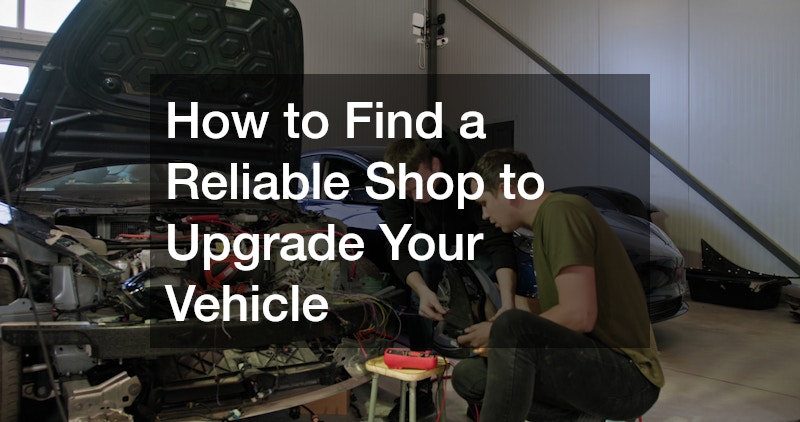
Upgrading your vehicle is an exciting step toward personalizing your driving experience, whether you are building an off-road overland rig, converting a heavy-duty haul truck, or tuning a performance street machine. With the automotive modification and aftermarket sector expanding past $60 billion globally, vehicle owners have access to an unprecedented variety of parts, technologies, and specialty services.
However, with that growth comes a significant challenge: finding a trustworthy, skilled specialty shop capable of executing complex modifications safely and correctly. Leaving your car or truck with the wrong mechanics can result in voided warranties, unsafe driving characteristics, electrical nightmares, or costly damage to core powertrain components.
Selecting the right shop requires moving beyond basic internet searches and glossy marketing. By taking a methodical approach—evaluating technical credentials, inspecting specialty equipment, auditing facility capabilities, and verifying safety compliance—you can protect your investment and build a reliable partnership with a master specialty shop.
Evaluating Specialized Powertrain and Mechanical Expertise
Major upgrades involving engine overhauls, forced induction, or heavy towing modifications require advanced mechanical precision. Unlike routine oil-change garages, specialty mechanical shops work with strict engineering tolerances, custom calibrations, and high-performance hardware.
When planning deep internal engine modifications—such as installing forged pistons, custom camshafts, or cylinder head porting—partnering directly with a dedicated engine machine shop is critical. Precision engine builders utilize specialized machinery, such as computerized boring mills, dynamic balancers, and sonic testing equipment, to blueprint engine blocks down to fractions of a millimeter. Choosing a shop that performs its own machining in-house guarantees better quality control over critical engine clearances.
High-horsepower engine builds or heavy towing conversions place immense stress on your vehicle’s drivetrain. Installing a supercharger or re-gearing an off-road rig requires accompanying upgrades to the gear trains and torque converters. Working with technicians experienced in high-performance transmission repair ensures that valve bodies, clutch packs, and planetary gears are upgraded to handle increased torque loads safely.
Furthermore, custom engine tuning requires a deep understanding of thermal dynamics and electronic control systems. High-end mechanical shops will map fuel delivery curves, ignition timing, and boost parameters under load rather than relying on generic off-the-shelf software tunes. This level of precision prevents dangerous lean air-fuel conditions, detonation, and severe exhaust gas temperature spikes, ensuring that your newly upgraded powertrain delivers both explosive performance and long-term mechanical reliability under real-world driving conditions.
- Audit in-house machining equipment: Ask whether the facility performs line boring, deck surfacing, and crankshaft balancing internally or outsources the work.
- Verify torque and power handling ratings: Confirm that transmission and differential upgrades are mathematically rated to withstand your target horsepower and torque output.
- Review dyno-tuning capabilities: Ensure the facility uses a chassis or engine dynamometer to monitor real-time air/fuel ratios, knock sensors, and exhaust temperatures during custom tuning.
- Inspect clean-room assembly bays: Check if engine and transmission assemblies are built in clean, dust-controlled areas to prevent internal bearing contamination.
- Establish explicit warranty boundaries: Get written clarification on how custom tuning or aftermarket components affect warranties on both parts and labor.
Verifying Wheel, Tire, and Chassis Fitting Capabilities
Upgrading your vehicle’s stance, handling, or ground clearance involves far more than simply mounting larger rubber or wide rims. Suspension lifts, lowering kits, and aggressive wheel offsets alter steering geometry, drive-axle angles, and scrub radius. Working with a shop that understands structural suspension dynamics prevents dangerous high-speed wobble, uneven wear, and premature ball-joint failure.
A top-tier fitment shop will perform detailed clearances and offset measurements before ordering custom wheels. When investing in forged aluminum or custom-finished wheels, ensure the shop operates touchless tire-mounting machines and digital road-force balancers. These advanced systems match high-performance tires to custom wheels while executing precise rim repair services, ensuring that slight bends, curb rash, or bead seal imperfections are corrected without damaging delicate wheel finishes.
Selecting the correct tread compound and load rating is equally vital for handling, braking distances, and safety. Installing aggressive off-road, track-day, or heavy-ply tires requires recalibrating speedometer modules and tire-pressure monitoring systems (TPMS). Master technicians will systematically re-align suspension geometry using multi-camera 3D laser systems, adjusting caster, camber, and toe angles back to optimal specifications.
A thorough chassis audit should also evaluate the stress placed on steering linkages, driveshafts, and brake lines following any suspension modification. Extending suspension travel without swapping to longer braided stainless steel brake lines or installing drop pitman arms can lead to catastrophic line snapping or severe bump steer on unpaved roads. A reliable specialty shop will systematically recalculate suspension roll centers and driveline angles, ensuring your modified chassis retains comfortable, predictable handling across all driving conditions.
- Demand road-force balancing: Insist that mounted wheel packages undergo road-force balancing to detect internal tire carcass variations and eliminate high-speed vibration.
- Check load-index ratings: Confirm that aftermarket rubber meets or exceeds your vehicle’s original Gross Vehicle Weight Rating (GVWR), especially for towing applications.
- Verify touchless mounting gear: Ensure the shop uses nylon-head, touchless tire changers to protect custom powder-coated or anodized wheel lips.
- Confirm ADAS camera realignment: Ask how the shop recalibrates lane-keep assist cameras and radar modules after changing the vehicle’s ride height.
- Request post-fitment re-torquing: Ensure the shop instructs you to return after 50 to 100 miles of driving to re-torque lug nuts to factory torque specifications.
Assessing Heavy-Duty, Fleet, and Specialty Vehicle Facilities
If you are upgrading a diesel workhorse, overland rig, or commercial haul vehicle, standard automotive repair shops lack the physical space, heavy-duty lifts, and specialized tools required for large-frame builds. Heavy-duty vehicles operate under severe thermal and physical stress, demanding specialized chassis knowledge and heavy structural fabrication skills.
Working with an experienced truck repair center ensures that your build is managed by technicians who hold specific ASE Heavy-Duty certifications. These specialized facilities feature high-clearance bay doors, 15,000+ lb hydraulic lifts, and specialized diagnostic software required to flash heavy-duty engine control units (ECUs) and high-output alternator systems.
For custom trailer builds, utility beds, and heavy commercial enclosures, partner with a dedicated trailer body shop. These specialized facilities excel at heavy structural welding, frame reinforcement, wiring multi-axis electric brake controllers, and installing auxiliary hydraulic lift systems. Whether you are adding a custom gooseneck hitch or expanding an overland trailer bed, specialized body fabricators ensure structural loads are safely distributed across the chassis.
Large-frame vehicles also require customized braking and thermal management upgrades to safely handle increased gross vehicle weights. Adding armor, heavy bumpers, auxiliary fuel tanks, and off-road recovery gear drastically increases a truck’s rolling inertia. Experienced fleet specialists will calculate your build’s final curb weight and recommend high-friction ceramic brake pads, slotted heavy-duty rotors, and auxiliary transmission fluid coolers to prevent brake fade and fluid overheating during steep mountain descents under load.
- Confirm bay ceiling clearances: Ensure the shop’s service bays and hydraulic lifts can comfortably accommodate raised roofs, rooftop tents, and tall rack systems.
- Check structural welding certifications: Verify that technicians hold AWS (American Welding Society) certifications before allowing custom frame or hitch fabrication.
- Upgrade auxiliary cooling systems: Install high-efficiency transmission oil coolers and upgraded radiator cores alongside heavy engine or towing modifications.
- Integrate trailer brake wiring cleanly: Ensure all secondary trailer brake controllers and 7-way harness plugs use sealed, weather-resistant connections.
- Inspect frame-stress points: Require a thorough frame stress inspection before mounting heavy steel bumpers, winches, or utility beds to light-truck chassis.
Auditing Specialty Glass, Electronics, and Safety Systems
Modern vehicles feature complex webs of electronic sensors, digital control networks, and advanced driver-assistance systems (ADAS). Upgrading exterior body panels, windshields, or electrical accessories requires careful integration to keep factory safety features working correctly.
Upgrading to acoustic-insulated glass, frameless slider windows, or custom-tinted glass requires certified auto glass installers. Installing specialty automotive glass requires precise surface preparation, rust-inhibiting primers, and high-modulus polyurethane adhesives to maintain the vehicle’s structural roof-crush strength during an accident.
Complex electrical additions—such as high-output winches, auxiliary LED light bars, and onboard air compressors—must be isolated using dedicated relay boxes and high-grade fuses. Professional technicians rely on comprehensive glass services and electronics specialists who perform full dynamic and static ADAS sensor recalibrations after replacing glass or modifying front grille assemblies.
Furthermore, advanced modification shops utilize specialized crash data retrieval tools to perform pre-and post-repair diagnostic scans. These tools read deep vehicle computer logs, verifying that airbag deployment sensors, seatbelt pretensioners, and stability control systems remain fully functional after heavy aftermarket parts are installed.
Managing high-amperage auxiliary accessories also requires a detailed audit of your vehicle’s charging system. Installing dual-battery isolators, high-output alternators, and clean power distribution blocks prevents dangerous voltage drops across sensitive vehicle CAN-bus communication networks. Certified auto electricians route heavy gauge power wires through protective loom tubing and firewall grommets, guarding against short circuits, blown control modules, or electrical fires under heavy electrical draws.
- Demand pre- and post-diagnostic scans: Ensure the shop provides health-scan printouts showing zero active fault codes in safety or powertrain control modules.
- Verify ADAS target calibration facilities: Confirm the shop utilizes level floor space and digital target boards to calibrate forward-facing safety cameras correctly.
- Require marine-grade electrical wiring: Insist that all auxiliary accessories use heat-shrink tubing, fused relay circuits, and weather-sealed connectors.
- Confirm adhesive cure times: Adhere strictly to safe drive-away time limits after glass replacement to ensure structural polyurethane adhesives set fully.
- Validate sensor clearance zones: Ensure custom steel bumpers or bull bars do not block front parking sensors, radar units, or night-vision cameras.
Inspecting Shop Facilities, Tools, and Safety Protocols
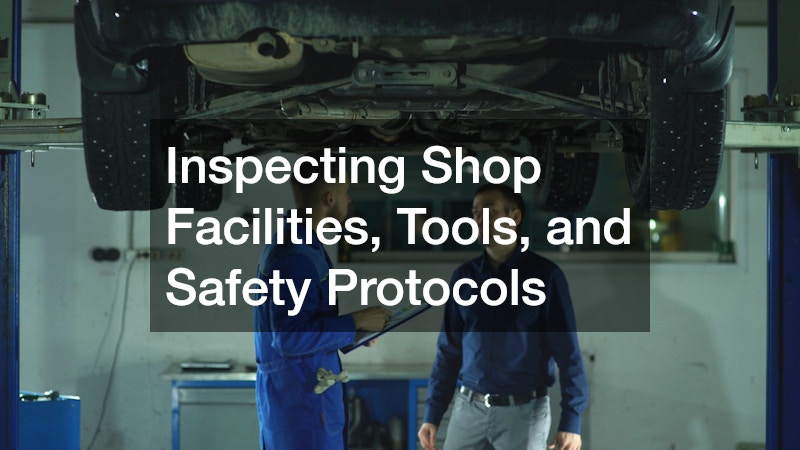
Beyond technical credentials and machinery, the physical layout, organization, and cleanliness of a specialty shop speak volumes about its operational standards. A professional facility prioritizes worker safety, tool organization, and customer transparency, reflecting the care they will give your vehicle.
When touring a potential shop, pay close attention to environmental maintenance and organization. Clean, well-lit service bays equipped with organized tool chests, specialized component racks, and clean floor surfaces indicate meticulous attention to detail. Conversely, cluttered workspaces with scattered components, oily floors, and unorganized wiring suggest a higher risk of lost hardware or sloppy assembly work.
High-end modification projects often require leaving your vehicle at the facility for several days or weeks. Ensure the shop utilizes an industrial garage door opener system with rolling security codes, commercial access controls, and fully fenced, monitored overnight storage yards to protect client vehicles against theft, vandalism, or weather damage.
Evaluating a shop’s administrative transparency is just as important as inspecting its service bays. Top-tier modification facilities utilize digital customer portals that allow vehicle owners to approve estimates, review line-item parts costs, and monitor real-time build progress through time-stamped photos. This level of operational clarity ensures that scope changes, custom fabrication adjustments, or unexpected rust repairs are communicated and approved before additional labor hours are billed.
Finally, review the shop’s customer service workflows and transparency practices. A reliable specialty shop will provide clear, itemized written estimates, maintain detailed progress photos throughout the build, and invite you to inspect teardown components in person before installing new parts.
- Inspect vehicle protection protocols: Verify that technicians use heavy protective fender covers, steering wheel wraps, and floor mat guards during work.
- Check overnight security measures: Confirm that client vehicles are parked indoors overnight or kept inside secure, well-lit, gated enclosures with video surveillance.
- Review parts tracking systems: Ask how the shop labels, organizes, and stores your vehicle’s factory parts during multi-week disassembly phases.
- Audit fire suppression safety: Check that active welding and plasma-cutting areas are equipped with dedicated fire shields, ventilation hoods, and extinguishers.
- Insist on detailed progress photo logs: Request digital photo updates at key build milestones to track progress and verify hidden component installations.
Partnering with the Right Specialty Shop
Upgrading your vehicle is an investment in performance, capability, and personal style. Selecting the right specialty shop transforms what could be a stressful, unpredictable process into an enjoyable, collaborative partnership. By systematically evaluating powertrain expertise, chassis fitment tools, fleet capabilities, electronic calibration gear, and overall facility standards, you can choose a shop with complete confidence.
Establishing a open line of communication with your chosen build team pays dividends throughout the life of your vehicle. A great shop won’t just hand back your keys upon completion; they will walk you through proper break-in procedures for new gears or engines, provide a scheduled maintenance roadmap for custom components, and welcome your vehicle back for routine check-ups. This ongoing relationship keeps your custom machine operating at peak performance for years to come.
Taking the time to research credentials, ask detailed questions, and inspect facilities upfront ensures that your custom build is executed safely, reliably, and to the highest standards of craftsmanship. With the right team of master technicians behind your build, you can hit the road, track, or trail knowing your upgraded vehicle is ready for any adventure.