Understanding the Systems That Keep Your Vehicle Running

Your vehicle relies on several interconnected systems to operate safely and consistently. From the engine that generates power to the brakes that control movement, each component has a specific function that contributes to overall performance. When one system develops a problem, it can affect other parts of the vehicle and make everyday driving less predictable.
Understanding how these systems work can help you recognize warning signs, make informed maintenance decisions, and address developing problems before they become more serious. Regular inspections and timely repairs also play an important role in protecting your vehicle’s condition and extending its useful life. Whether you drive a passenger car, a pickup truck, or a diesel-powered vehicle, knowing what to monitor can help you stay prepared. Learning the basics of vehicle maintenance gives you a better understanding of when routine attention is sufficient and when professional service may be necessary.
Vehicle owners do not need to understand every mechanical detail, but knowing the purpose of major systems can make routine maintenance less confusing. It also helps you communicate more effectively with technicians and understand why certain repairs or replacements may be recommended.
Recognize Early Signs of Suspension Problems

Your vehicle’s suspension system helps absorb road impacts, maintain tire contact with the pavement, and support stable handling. When components become worn or damaged, you may notice changes in how your vehicle responds to bumps, turns, and braking. Addressing these symptoms early can help prevent additional wear and make driving more comfortable.
Common warning signs include:
- Excessive bouncing after driving over bumps.
- Unusual clunking or knocking sounds.
- Uneven tire wear without an obvious cause.
- A vehicle that leans excessively when turning.
- Changes in steering control or ride comfort.
Suspension repairs may involve inspecting or replacing components such as springs, control arms, bushings, and ball joints. The appropriate work depends on which parts are damaged and how they affect vehicle performance.
Pay attention to changes in handling, especially after driving over potholes or rough roads. Having unusual noises or movement inspected promptly can help identify problems before they affect additional components.
Inspect Shock Absorbers When Ride Quality Changes
Shock absorbers help control the movement of your vehicle’s springs and reduce excessive bouncing. They also contribute to tire contact with the road, which affects handling and braking stability. Because shocks gradually wear down, drivers may not immediately notice when their performance begins to decline.
Look for symptoms such as:
- Continued bouncing after driving over a bump.
- Excessive forward movement when braking.
- Unusual body movement when turning.
- Visible fluid leaks around the shock absorbers.
- Uneven tire wear or reduced handling control.
When these problems appear, shock replacement may be necessary. The correct components should match your vehicle’s specifications and intended driving conditions. Using unsuitable parts can affect ride quality and overall performance.
It is also important to have related suspension components inspected during service. Worn mounts, bushings, or springs may contribute to similar symptoms. Addressing the underlying problem rather than replacing parts without a proper assessment can help prevent recurring issues.
Maintain Engine Performance Through Consistent Care
The engine converts fuel into the power needed to move your vehicle and operate essential systems. Its performance depends on multiple components working together, including the fuel delivery system, cooling system, lubrication system, and ignition or combustion components. Regular maintenance helps keep these parts functioning as intended.
Diesel engines have specific service requirements that drivers should follow. Using the appropriate oil and filters, monitoring fluid levels, and observing recommended maintenance intervals can help support dependable operation.
Watch for warning signs such as:
- Reduced power or unusual engine noises.
- Difficulty starting or rough idling.
- Excessive or unusual exhaust smoke.
- Dashboard warning lights.
- Changes in fuel consumption.
Do not ignore changes in engine performance, even when the vehicle remains drivable. A professional inspection can help identify whether the issue involves routine maintenance or a component that needs repair. Keeping service records also makes it easier to track maintenance and recognize recurring concerns.
Understand How the Starting System Powers Your Vehicle

The starting system uses electrical power to begin engine operation. When you turn the key or press the start button, the battery supplies power to the starter, which engages the engine and begins the starting process. Problems with any part of this system can leave you unable to start your vehicle.
A failing starter motor may produce several noticeable symptoms:
- A clicking sound when attempting to start.
- Slow or inconsistent engine cranking.
- Intermittent starting difficulties.
- No response when activating the ignition.
However, these symptoms do not automatically mean the starter is defective. A weak battery, loose connections, or damaged wiring can create similar problems.
Before replacing components, have the battery, electrical connections, and starting system tested. Accurate diagnosis helps identify the actual source of the problem and reduces the likelihood of unnecessary repairs. If starting difficulties happen repeatedly, arrange an inspection rather than waiting until the vehicle will not start at all.
Keep Braking Components Ready for Everyday Driving
Your braking system allows you to control speed and stop safely in different driving conditions. Brake pads, rotors, calipers, and other components must work together to provide consistent stopping performance. Because these parts experience regular friction and heat, they require periodic inspection.
Signs that you may need auto brake repairs include:
- Squealing or grinding noises when braking.
- Vibration through the steering wheel or brake pedal.
- A soft or unusually firm brake pedal.
- Pulling to one side when slowing down.
- Longer stopping distances than usual.
Brake wear depends on driving habits, traffic conditions, vehicle weight, and the condition of individual components. Frequent stop-and-go driving, for example, can place additional demands on the braking system.
Do not postpone an inspection when braking performance changes. A qualified technician can assess the system, identify worn or damaged parts, and recommend appropriate service. Maintaining the brakes helps preserve predictable stopping performance and supports safer driving.
Monitor Wheel Position to Maintain Predictable Handling
Proper wheel positioning affects steering response, tire wear, and vehicle stability. When wheel angles move outside the manufacturer’s specifications, your vehicle may become harder to control or develop uneven tire wear. Even a relatively minor change can affect how the vehicle behaves on the road.
Signs that alignment may be needed include:
- The vehicle pulls toward one side on a straight road.
- The steering wheel sits off-center while driving straight.
- Tires show uneven wear across their tread.
- Steering feels less responsive than usual.
Potholes, curbs, and road debris can affect wheel positioning, particularly when an impact is significant. Drivers should also consider having the measurements checked after certain suspension repairs or other work that may change wheel angles.
Regular tire inspections can help you identify uneven wear before it becomes more extensive. If handling changes unexpectedly, a professional assessment can determine whether the issue involves wheel positioning, tire condition, or another steering or suspension component.
Check the Vehicle Frame After Impact or Structural Damage
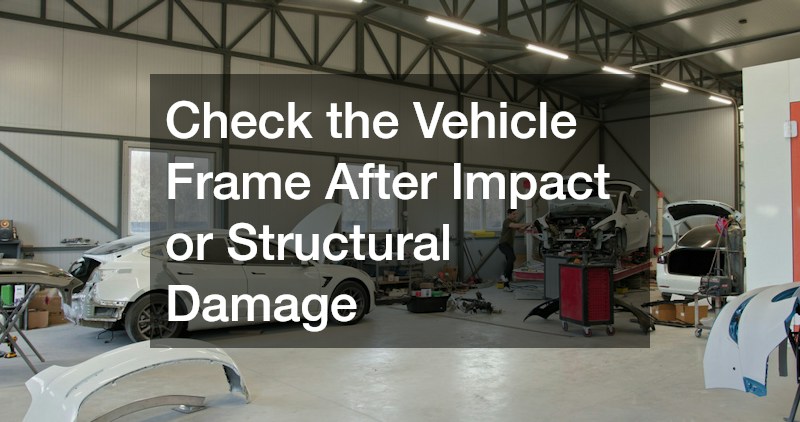
The vehicle frame provides structural support for major components and contributes to overall stability. Significant collisions or impacts can affect its geometry, potentially changing how other parts of the vehicle fit and function. Even when exterior damage appears limited, underlying structural concerns may require attention.
Frame alignment may be necessary when an inspection identifies structural positioning outside the vehicle’s specifications. Correcting this type of damage requires specialized equipment and procedures suited to the vehicle’s design.
After a significant impact, watch for:
- Uneven gaps between doors, panels, or other body components.
- Doors or windows that no longer close properly.
- Persistent handling problems.
- Unusual tire wear following a collision.
- Visible bending or damage to structural areas.
A qualified collision repair professional can assess the extent of the damage and determine the appropriate repairs. Avoid assuming that replacing visible exterior parts will address every problem. Structural inspections are important for understanding whether the vehicle can be restored to its intended condition.
Protect Electrical Components From Wear and Failure
Your vehicle’s electrical system supports essential functions such as starting, lighting, dashboard displays, sensors, and electronic controls. These components depend on reliable wiring, connections, and power distribution. When electrical problems develop, several features may stop working or behave inconsistently.
Common warning signs include:
- Headlights or interior lights that dim unexpectedly.
- Repeatedly blown fuses.
- Power windows or accessories that work intermittently.
- Dashboard warning lights or unusual electronic behavior.
- Difficulty starting the vehicle.
Car electrical repairs may involve diagnosing the battery, alternator, wiring, connectors, fuses, or other components. Because different electrical problems can produce similar symptoms, testing is important before replacing parts.
Drivers should also pay attention to visible wiring damage, loose connections, or signs of corrosion around battery terminals. Avoid attempting unfamiliar electrical work without the necessary knowledge and equipment. Professional diagnosis can help isolate the problem and reduce the risk of further damage.
Choose Accessories That Match Your Vehicle’s Intended Use
Vehicle accessories can improve storage, organization, and convenience when they are selected for the vehicle and its intended use. Pickup truck owners, for example, may need additional protection for tools, supplies, or recreational equipment carried in the bed.
A truck topper provides covered storage and can help protect cargo from weather exposure. However, choosing the right option requires more than considering appearance. The accessory should be compatible with the truck’s make, model, and bed dimensions.
Before purchasing, consider:
- Fit: Confirm that the topper matches the truck bed.
- Weight: Check how the added weight affects vehicle capacity.
- Access: Consider doors, windows, and cargo accessibility.
- Security: Evaluate locking features and storage needs.
- Installation: Confirm that mounting requirements are compatible with the vehicle.
Proper installation matters because an incorrectly fitted accessory may shift, leak, or create other problems. Review the manufacturer’s instructions and vehicle load limits before adding equipment or cargo.
The right accessory should also fit your regular driving and storage habits. Consider how often you transport large items, whether you need quick access to tools, and how much covered space your work or recreational activities require. Comparing these needs before purchasing can help you choose an option that provides practical value without limiting how you use your truck.
Keep Vehicle Access Secure and Convenient

Modern vehicle keys may contain electronic components that communicate with the vehicle’s security and starting systems. Depending on the model, a key may include a transponder chip, remote entry controls, or a keyless access feature. Damage or loss can therefore involve more than obtaining a replacement metal key.
Car key replacement may be necessary when keys are lost, broken, or no longer communicate properly with the vehicle. Before arranging service, identify the vehicle’s make, model, year, and key type. This information helps determine which replacement and programming procedures may be required.
Drivers can reduce access problems by following a few simple practices:
- Keep a spare key in a secure location.
- Replace damaged key fob batteries when performance declines.
- Avoid exposing electronic keys to unnecessary moisture or impact.
- Address intermittent key recognition problems promptly.
Use a qualified automotive locksmith or service provider familiar with your vehicle’s security system. The replacement must be compatible with the vehicle and properly programmed when required.
If you lose your only working key, replacing it may take additional time because the replacement must be compatible with your vehicle’s security system. Keeping a spare available can help prevent unnecessary inconvenience if your primary key is misplaced or damaged. Store spare keys somewhere secure rather than leaving them inside the vehicle or in an easily accessible location.
Reliable vehicle operation depends on multiple systems working together. The engine, suspension, brakes, electrical components, wheels, and structural elements each contribute to performance, safety, and everyday convenience. Understanding their functions makes it easier to recognize warning signs and determine when maintenance or professional attention may be necessary.
Drivers can protect their vehicles by following recommended service intervals, monitoring changes in handling or performance, and addressing unusual noises or warning lights promptly. Regular inspections also help identify developing concerns before they affect additional components or cause unexpected breakdowns.
Vehicle maintenance is not limited to responding when something stops working. It involves paying attention to how your vehicle performs and making informed decisions about its care. By staying familiar with essential systems and seeking qualified assistance when problems arise, you can support dependable operation and make more confident decisions about repairs.