What to Do Before, During, and After a Major Vehicle Breakdown
Preventive Steps to Take Before a Breakdown Happens
Taking preventive steps can significantly reduce the likelihood of experiencing a breakdown. Regular maintenance of auto supplies, such as checking your tire pressure, oil levels, and brake fluid, helps keep your vehicle running smoothly. Investing in quality components and regular inspections can save you from unexpected expenses and ensure the longevity of your vehicle.
Vehicle maintenance also involves staying informed about your car’s unique requirements. Understanding the recommended service intervals for various components allows you to schedule timely maintenance. Incorporating these habits into your car care routine minimizes the risk of major mechanical failures.
Additionally, having a well-stocked emergency kit and knowing basic repair skills can mitigate the effects of a breakdown. Items like jumper cables, a spare tire, and necessary auto supplies can help you address minor issues on the road. Learning these essentials will enhance your confidence and ability to respond to emergencies effectively.
Knowing When a Mechanical Issue Is No Longer Minor
Identifying when a mechanical issue has escalated beyond a minor inconvenience is crucial for timely action. Strange noises or vibrations often signal underlying problems that require immediate attention. Consulting with a local car brake repair specialist will help diagnose these issues accurately and provide the necessary repairs before they worsen.
Ignoring warning signs such as dashboard lights or reduced performance is a common mistake that can lead to more significant problems. Early intervention by scheduling a professional inspection can prevent costly repairs and ensure the safety of your vehicle. On noticing any odd behaviors from your vehicle, it is vital to act swiftly to mitigate damages.
Understanding the common symptoms of serious mechanical problems empowers you to make informed decisions. Relying on professional advice when in doubt helps maintain your vehicle’s reliability and performance. By staying proactive and attentive to your car’s needs, you can avoid the stress and expense associated with major breakdowns.
What to Do the Moment Your Vehicle Fails on the Road
When your vehicle fails on the road, safety should be your top priority. Immediately activate your hazard lights to alert other drivers and, if possible, move your vehicle to the side of the road. Contacting a 24 hour towing service guarantees professional assistance and helps ensure your safety and the safety of others.
While waiting for help, assess your situation calmly and take measures to remain visible and safe. This includes setting up warning triangles or flares if available, especially at night or in poor visibility conditions. Understanding these basic safety protocols can effectively manage the situation until professional help arrives.
Having a reliable car insurance agent can simplify the next steps, such as making a claim or arranging repairs. Keeping your insurance details handy ensures that you can access support quickly. Remember, staying calm and informed drastically reduces the anxiety and inconvenience associated with roadside breakdowns.
Handling Electrical Failures and Power Loss
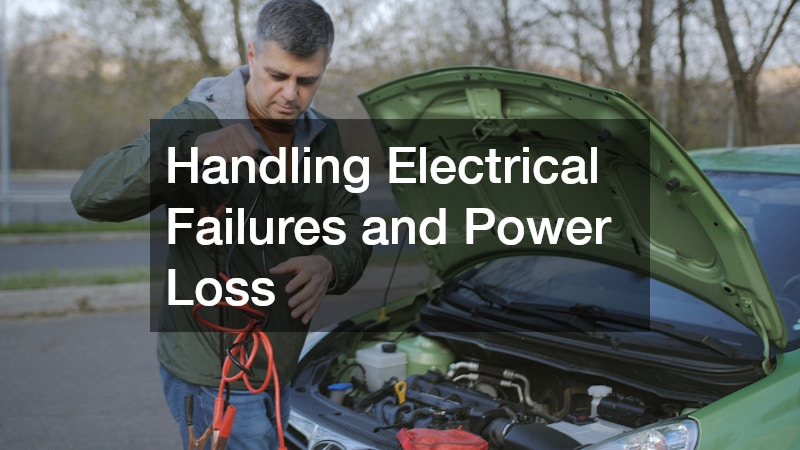
Electrical failures, like a dead battery, can leave you stranded without notice. Recognizing the signs before complete power loss, such as dim headlights or a slow engine crank, can alert you to the need for a car battery replacement. Investing in a quality battery with a robust warranty can offer peace of mind.
Regular inspection of your vehicle’s electrical systems prevents unexpected failures. Check that your battery terminals are clean and secure, and that alternators and other components are functioning correctly. Scheduling periodic checks with an auto repair specialist can identify potential issues early.
Having the contact for a reliable 24 hour towing service is invaluable during unexpected power losses. This ensures you have support ready and helps minimize further damage or stress. Understanding and managing your vehicle’s electrical systems effectively prevents inconvenient interruptions to your daily schedule.
Documenting Damage and Protecting Yourself Legally
In the unfortunate event of an auto accident, it’s crucial to document the damage comprehensively. Take clear photos of the scene, damages, and any injuries sustained. Engaging with auto accident legal services can guide you through the complex process of filing claims and seeking compensation.
Accurate documentation of events and communications is crucial for legal and insurance purposes. Retaining receipts, repair estimates, and any correspondence can protect you from potential disputes. Developing a good relationship with a car insurance agent is beneficial to navigate your options smoothly.
Knowing your legal rights and responsibilities following an accident is just as vital as understanding your insurance policy. Legal advice provides clarity and protection, ensuring you are not left at a disadvantage. Being well-prepared legally can make a significant difference in the aftermath of an accident.
Communicating With Coverage and Claims Professionals
Effective communication with your car insurance agent is key to a smooth claims process. Be prepared with all necessary documentation, including accident reports, photos, and witness statements. Clear and complete communication can expedite the resolution of claims and repairs.
Understanding your policy terms and any relevant state laws protects you from unexpected out-of-pocket expenses. Your agent can help clarify any confusing terms and inform you about available coverage options. Keeping updated on policy changes ensures you remain adequately protected against unforeseen expenses.
Building a good rapport with your insurance company allows for more personalized service and advice. A knowledgeable car insurance agent is an ally in making informed decisions regarding premium payments, coverage limits, and potential additional protections. This relationship can be instrumental during stressful periods following an incident.
Choosing the Right Repair Path After the Breakdown
After diagnosing the problem, choosing the right repair path is crucial to restore your vehicle’s functionality and value. Consulting with a trusted auto repair technician ensures you’re aware of your options and associated costs. A detailed estimate allows you to plan financially and opt for the most effective solution.
Deciding between OEM (Original Equipment Manufacturer) and aftermarket parts depends on your priorities for quality, cost, and warranty. While OEM parts are typically more reliable, aftermarket alternatives can be a cost-effective solution. Balancing these considerations can optimize the repair outcome based on your vehicle’s age and intended use.
Reviewing multiple repair assessments can provide a balanced perspective and confidence in your choices. Transparent communication with repair shops helps you understand what each service entails. Ultimately, selecting the ideal repair path involves assessing quality, cost, and convenience, backed by expert guidance.
Addressing Cosmetic and Structural Damage
Cosmetic damage, while often deemed non-critical, can affect vehicle resale value. Engaging an auto paint shop for touch-ups or complete repaints keeps your vehicle looking its best and maintains its marketability. Addressing these issues promptly prevents rust and further deterioration, safeguarding your investment.
Structural damage, however, presents more serious concerns and demands immediate attention. Consulting with a certified technician ensures that any compromised integrity can be expertly assessed. Safety ranks paramount, and repairing structural issues enhances both aesthetics and functionality.
Combining cosmetic and structural repairs, when necessary, offers comprehensive support to your vehicle’s longevity and appeal. Quality repair services often come with warranties, providing confidence in the sustainability of your vehicle’s enhancements. Prioritizing repairs based on need, budget, and professional advice ensures a balanced and effective approach.
Major Component Failures and Cost-Saving Decisions
Major component failures such as engine or transmission issues can be daunting and costly. Considering used transmission alternatives as part of a repair strategy could significantly reduce costs without sacrificing performance. Collating your options with professional guidance supports making an informed and economically sound decision.
Engaging auto repair professionals with in-depth experience in handling such failures offers peace of mind. Whether refurbishing components or choosing replacements, the cost balance is crucial. These decisions are often guided by the vehicle’s overall condition, age, and future utility.
Comparing the long-term cost implications of new versus used parts helps align repair choices with financial capability. Decisions rooted in careful financial assessment prevent over-expenditure and promote a sense of security. Balancing urgency, reliability, and affordability is key to resolving major component failures.
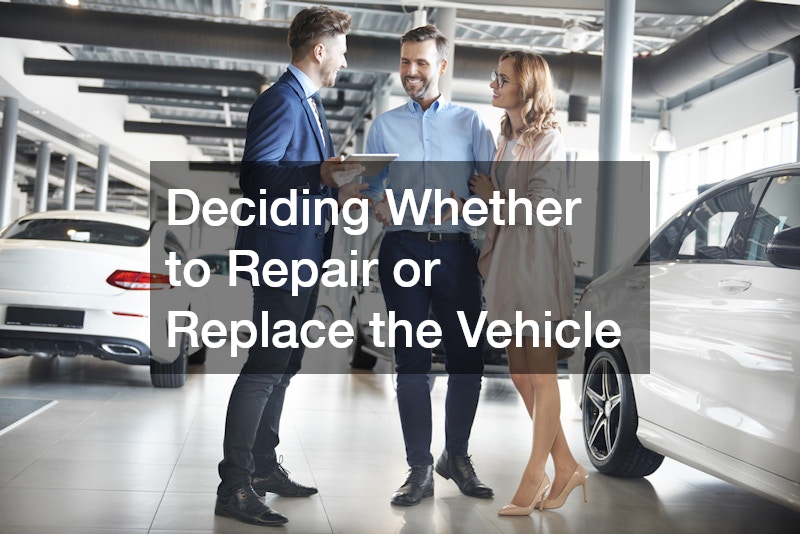
Deciding Whether to Repair or Replace the Vehicle
Determining the choice between repairing or replacing a vehicle involves weighing factors such as repair costs against the vehicle’s current value and anticipated lifespan. Consulting with a used auto dealer can provide valuable insights, helping you understand market value and potential trade-in options.
Assessing ongoing maintenance costs against the potential benefits of a new or newer vehicle can guide your decision. Technological advancements and improved fuel efficiency also influence whether replacement might offer better long-term savings and satisfaction.
Engaging experts to perform detailed inspections ensures you base your decision on a thorough understanding of your vehicle’s condition. Sometimes the emotional attachment to a vehicle can cloud judgment, making objective assessments crucial. Ultimately, evaluating the vehicle’s alignment with personal needs and financial horizon dictates the wisest path forward.
Navigating the complexities of vehicle breakdowns and repairs requires a comprehensive understanding of preventive measures, immediate actions in emergencies, and long-term decision-making. By focusing on maintenance and staying informed about the vehicle’s condition, you can minimize unexpected issues and extend the vehicle’s life.
During a breakdown, ensuring safety while accessing professional services like towing and legal assistance empowers you to manage the situation effectively. Communicating clearly with insurance and repair professionals facilitates repairs and claims, ultimately safeguarding your investment and peace of mind.